Chalk, Print and Plain Sense: Editing Hospitality Menus Without Losing the House Voice
A menu is not a brochure, and it is not quite a contract. It is a working document read in a hurry, sometimes by someone with an allergy, sometimes by someone who has never heard of the chef's favourite ingredient. That double audience is what makes hospitality copy worth editing properly. The aim is not to make every menu sound the same. It is to let the kitchen's accent remain audible while the information underneath it becomes dependable.
Read the menu as a customer, under pressure
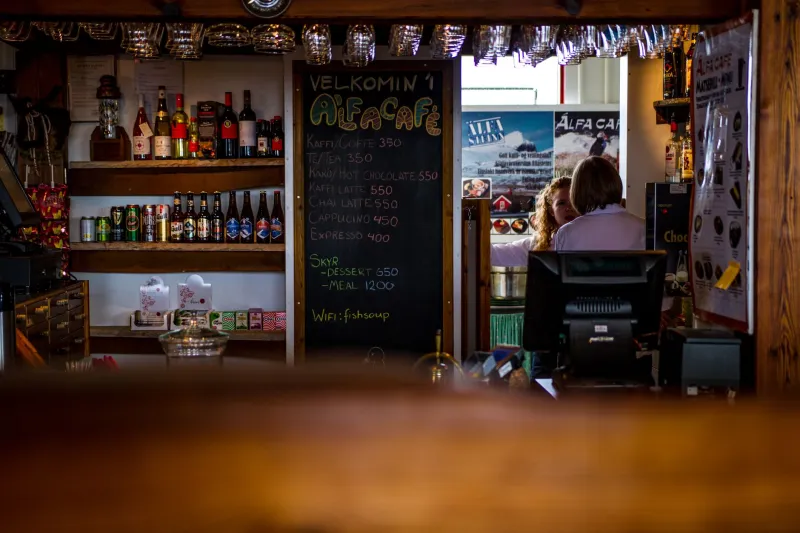
Most editorial work begins with a calm read. Hospitality copy rarely has that luxury. Begin instead by reading the menu as a customer would: at the door, in poor light, with a companion asking what you fancy. Notice where the eye stalls. A paragraph-long description of a sandwich is not generous; it is obstructive. A specials board written in chalk may have charm, but if the price is missing or the dietary key is unclear, charm will not save it.
Ask three questions of every entry. What is the dish? What makes it the house's own, if anything? What does the customer need to know before ordering? The answers should shape the edit. A menu can be warm and still be legible. It can be concise and still sound like the person who wrote it.
Separate voice from vocabulary
Hospitality copy attracts a particular vocabulary. Some of it is useful shorthand; much of it is filler. The editor's task is to distinguish the two.
Voice markers are the details that could only have come from this kitchen: a named local supplier, a family recipe, a deliberate spelling, a dry aside about the weather, a dish described in the language the staff actually use. Foodie clichés are the phrases that could sit on any menu in the country: succulent, pan-seared, deconstructed, artisan, seasonal, locally sourced where possible. They are not crimes, but they are rarely evidence. If a phrase survives only because it sounds appetising, test it against the dish. If it adds no fact and no distinctive tone, cut it.
This is not an argument for blandness. A pub that calls its pie "proper" is making a claim about pastry and filling, not just employing an adjective. A café that writes "no wifi, talk to each other" is using voice as policy. The editor should protect that kind of specificity and remove the generic gloss around it.
Provenance claims: make them specific or leave them out
Vague provenance is one of the most common weaknesses in UK hospitality copy. "Locally sourced" can mean a farm ten miles away or a wholesaler in the next county. "Seasonal" can mean the dish changes with the calendar or simply that it is on the menu in November. Customers are not usually forensic about this, but they notice when a claim feels decorative.
An editor should ask for evidence and then write to the evidence. If the beef comes from a named farm, say so. If the vegetables are from a market stall, name the market if the client is happy to. If the claim cannot be substantiated, remove it or replace it with something true: "made here", "cured on site", "baked each morning". Silence is better than a provenance claim that collapses under a question.
The same rule applies to superlatives. "Our famous Sunday roast" is only useful if the roast is genuinely known. Otherwise it reads as a line from a template. A menu earns trust through precision, not through insistence.
Personality and the small print
Allergen and dietary information is where editorial polish meets legal responsibility. In the UK, food businesses must provide allergen information for the 14 regulated allergens, and menus and specials boards should not make that information harder to find than the marketing copy. The editor does not need to give legal advice, but the edit should make the client's existing system clearer: consistent notation, a visible key, and wording that tells customers to speak to staff rather than implying the menu is exhaustive.
Dietary labels need the same consistency. If "V" means vegetarian on one page and vegan on another, the menu is not merely untidy; it is confusing. Choose a key and apply it throughout. Avoid symbols so small that they vanish on a laminated menu or a chalkboard photographed for social media. If a dish can be adapted, say so plainly: "ask for the vegan version" is more useful than an asterisk with no explanation.
Pricing deserves the same editorial attention. Customers should not have to decode whether service is included or whether a specials board price is per person. Use one format for prices and apply it across the menu. If a dish is subject to market price, explain why in a few words. Clarity here does not undermine personality; it gives the personality somewhere solid to stand.
Specials boards and tasting notes
Specials boards are the most conversational surface in hospitality copy, and they should sound like it. The edit can be lighter here: contractions, a little humour, the chef's own phrasing. But the same rules apply. A board that is charming but illegible is a failed board. Check that the dish name, price and key information survive at the distance from which customers will read it.
Tasting notes need a different discipline. Menus for tasting flights often drift into purple prose because the writer is trying to match the ambition of the kitchen. The remedy is concrete comparison rather than more adjectives. "Tastes like the smell of a hedgerow after rain" may be evocative, but "sharp green apple and a dry finish" tells the customer more. Keep the house voice, but let the description do useful work.
A short editorial pass for hospitality copy
A workable pass is not complicated. Read the menu aloud once, marking any phrase that sounds like it was written for a website rather than a table. Circle the claims that need evidence. Check the allergen and dietary key against the client's system. Standardise prices and punctuation. Then read it again as a customer with a question: what is in it, how much is it, and can I eat it? If the menu answers those questions without losing its own manner of speaking, the edit has done its job.
The best hospitality copy does not sound edited into neutrality. It sounds like the place it belongs to, with the fog removed.